
Solutions · Blood & plasma storage
Hold blood and plasma at validated conditions
Controlled cold storage engineered for blood banks, hospitals, and research — refrigerated rooms for whole blood and red cells, and sub-zero rooms for frozen plasma, with configurable monitoring and optional redundancy selected around the program.

- 1–6°C
- Whole blood & red cells
- ≤ -18°C
- Frozen plasma
- -30°C
- Enviro-Line capability
- Redundant
- Refrigeration option

Room conditions, controls, and construction are confirmed during engineering review.
Different components require different rooms
Whole blood and red cells remain refrigerated while frozen plasma requires sub-zero storage. Inventory scale, monitoring, recovery, and redundancy determine how the spaces should be configured.
Whole blood
1–6°C
Maintain refrigerated conditions with stable airflow and no freeze risk at coils.
Frozen plasma
≤ -18°C
Use a dedicated sub-zero room for frozen inventory.
Capacity
Walk-in scale
Size storage around peak inventory, shelving, carts, and access workflow.
Monitoring
Configurable
Coordinate optional logging, alarm, and remote-visibility equipment.
Protection
Redundant option
Evaluate optional redundant refrigeration for irreplaceable inventory.
Recommended Norlake systems
Standardized walk-in coolers for refrigerated components and custom sub-zero rooms for frozen plasma — with configurable monitoring options selected for each project.
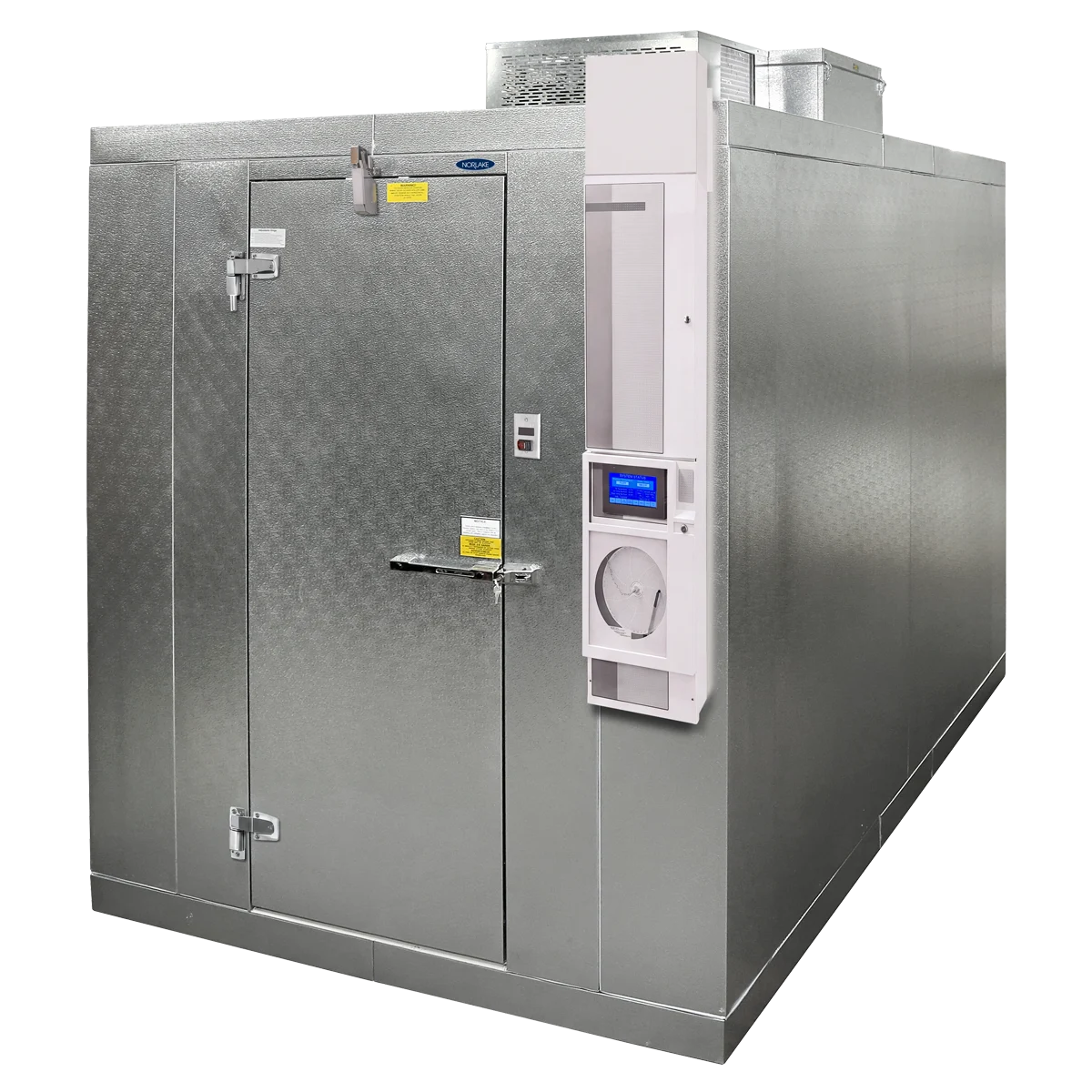

Configure each storage condition deliberately
Separating component requirements early helps engineering match each room to the correct temperature, platform, controls, and protection strategy.
Separate conditions
Document refrigerated and frozen component volumes independently.
Choose each platform
Match Mini Room or Enviro-Line to temperature and capacity.
Define monitoring
Select optional logging, alarm, chart-recording, and remote-access equipment around program needs.
Plan continuity
Evaluate redundancy, recovery, access, and response procedures.
Proven, leading-edge refrigeration
Recognized by Life Sciences Review · Trusted across labs, research & pharma

“I have been installing Norlake Scientific rooms for well over 25 years. Their engineering support, overall design of refrigeration equipment, controls, and flexible panel configuration makes installations go smoothly on the job site. As a field technician, I feel Norlake is on the leading edge of refrigeration design and controls.”
Built for reliability and oversight
Proven components, optional redundant refrigeration, configurable monitoring equipment, and broad product listings support project-specific protection planning.
15 yr
Panel warranty
5 yr
Compressor
- UL listed
- C-UL listed
- NSF listed
- USDA accepted
- Hi/Lo alarm option
- Redundant refrigeration option
Blood & plasma storage FAQ
Straight answers to the questions blood bank, hospital, and lab teams ask when specifying blood and plasma cold storage.
- What temperature is whole blood stored at?
- Whole blood and red blood cells are typically stored refrigerated between 1°C and 6°C. Norlake Scientific Mini Room walk-in coolers can be configured for this range with stable airflow and optional alarm equipment selected for excursion response.
- What temperature is frozen plasma stored at?
- Fresh frozen plasma is generally stored at or below -18°C, and many facilities hold it at -30°C or colder for longer-term storage. Norlake Scientific Enviro-Line customized environmental rooms can be engineered to -30°C with redundant refrigeration options.
- Can one room store both refrigerated and frozen components?
- Blood components at different temperatures are normally held in separate, dedicated spaces. Norlake can pair a refrigerated Mini Room for whole blood and red cells with a sub-zero Enviro-Line room for frozen plasma, with monitoring equipment configured independently for each room.
- How is the temperature monitored and protected?
- Norlake systems can be configured with an optional LogiTemp® Plus package that may include continuous monitoring, a detachable tablet for on-site or remote access, error-code alerts, chart recorders, and Hi/Lo or power-failure alarms. Redundant refrigeration is also available as an option for added protection.
- How do I size a blood storage room?
- Sizing starts with your peak component inventory, the storage temperatures you need, and your available footprint. Share those and Norlake engineers will configure the right Mini Room or Enviro-Line system.
Blood & plasma resources
Product details and specification sheets for specifying blood and plasma cold storage.
Spec your blood & plasma storage
Tell us your component inventory and temperature targets — our engineers will configure a cold-storage solution around your required controls, alarms, and redundancy options.