
Solutions · Archival & museum storage
Controlled rooms for collections that cannot be replaced
Walk-in storage environments configured around collection materials, conservator-approved targets, shelving loads, access patterns, monitoring, and facility constraints.

- Materials
- Collection first
- Custom
- Room and shelving plan
- Configurable
- Environmental oversight options
- Modular
- Facility fit
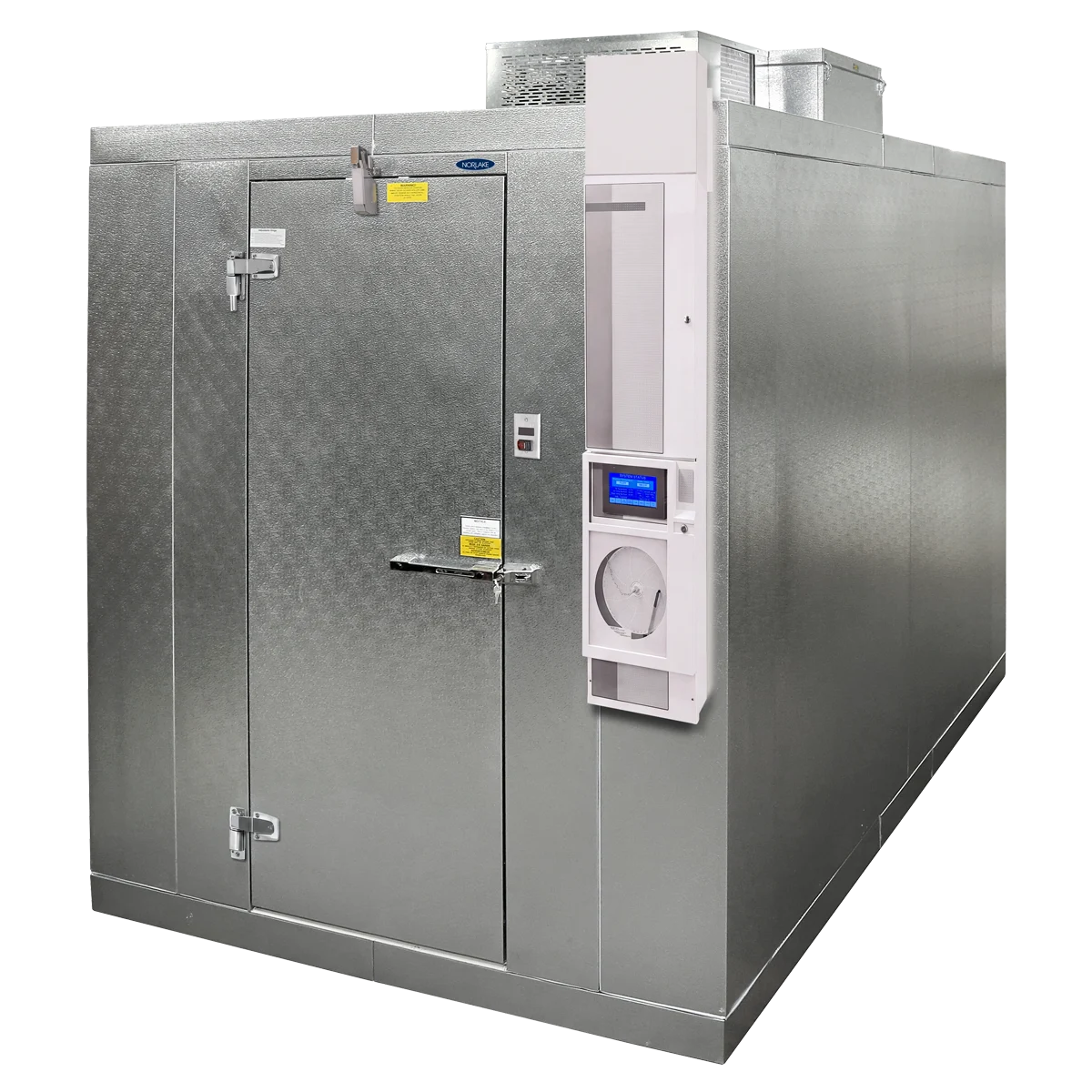
Room conditions, controls, and construction are confirmed during engineering review.
Start with the collection, not a universal setpoint
Paper, film, photographs, textiles, objects, and mixed collections can require different conservation targets. Engineering begins with the institution’s approved requirements.
Materials
Collection first
Identify collection types and whether mixed media should be separated.
Conditions
Conservator led
Define approved temperature, humidity, and light-exposure targets.
Storage load
Facility scale
Plan shelving, floor loads, aisles, carts, and retrieval.
Access
Controlled
Account for door openings, staff workflow, security, and observation.
Protection
Configurable
Coordinate optional alarms, documentation, redundancy, and facility response.
Collection storage workflows
The materials, retrieval pattern, shelving, and institutional preservation plan determine whether one room or separated conditions are appropriate.
Match the platform to the preservation plan
Enviro-Line fits custom humidity, geometry, finishes, compartments, monitoring, and redundancy. Mini Room may fit when a standardized published condition and footprint match the institution’s approved plan.

Specify the room with conservation and facilities teams
The engineering brief should connect material-specific targets to shelving, access, utilities, monitoring, and the building plan.
Separate the materials
Document collection types and approved environmental targets.
Map the storage
Review shelving, weight, aisles, carts, handling, and security.
Configure the room
Select geometry, finishes, doors, refrigeration, controls, and monitoring.
Plan response
Coordinate installation, alarms, redundancy, and facility procedures.
Proven, leading-edge refrigeration
Recognized by Life Sciences Review · Trusted across labs, research & pharma

“I have been installing Norlake Scientific rooms for well over 25 years. Their engineering support, overall design of refrigeration equipment, controls, and flexible panel configuration makes installations go smoothly on the job site. As a field technician, I feel Norlake is on the leading edge of refrigeration design and controls.”
Verified platform proof
Norlake combines modular insulated construction, configurable controls, proven refrigeration components, published warranties, and broad product listings. Application-specific qualification or compliance is defined separately for each project.
15 yr
Panel warranty
80+ yrs
Cold-storage expertise
- UL listed
- C-UL listed
- NSF listed
- USDA accepted
- Hi/Lo alarm option
- Redundant option
Archival & museum storage FAQ
Planning answers for conservators, collections managers, architects, and facilities teams.
- What is an archival storage room?
- It is a controlled walk-in space designed around the preservation needs of records, photographs, film, art, artifacts, or other collections. Conditions should be selected by the institution’s conservation team for the specific materials.
- What temperature and humidity should an archive use?
- There is no single target for every collection. Material type, condition, expected storage life, access, and institutional conservation guidance determine the setpoints discussed with engineering.
- Can one room store mixed collection types?
- Sometimes, but not when materials require meaningfully different conditions. Enviro-Line rooms can be configured with custom geometry or multiple compartments when separation is appropriate.
- Can the room support high-density shelving?
- Room size, floor construction, shelving loads, aisles, and retrieval workflow should be included in the engineering brief. Final structural and facility requirements are confirmed per project.
- How are conditions monitored?
- Norlake offers programmable controls, alarms, chart-recording options, and remote-access capabilities. The monitoring and documentation package is selected around the institution’s procedures.
- Does Norlake claim NARA or museum-standard compliance?
- No blanket application-specific compliance claim is made. Share the standards or institutional requirements that govern the project so they can be reviewed during specification.
Collection-storage resources
Use the product-platform details and quote checklist to prepare a conservation-led engineering brief.
Protect the collection with a clear brief
Share material types, approved conditions, shelving and floor loads, room dimensions, access, monitoring, alarms, and facility constraints.