
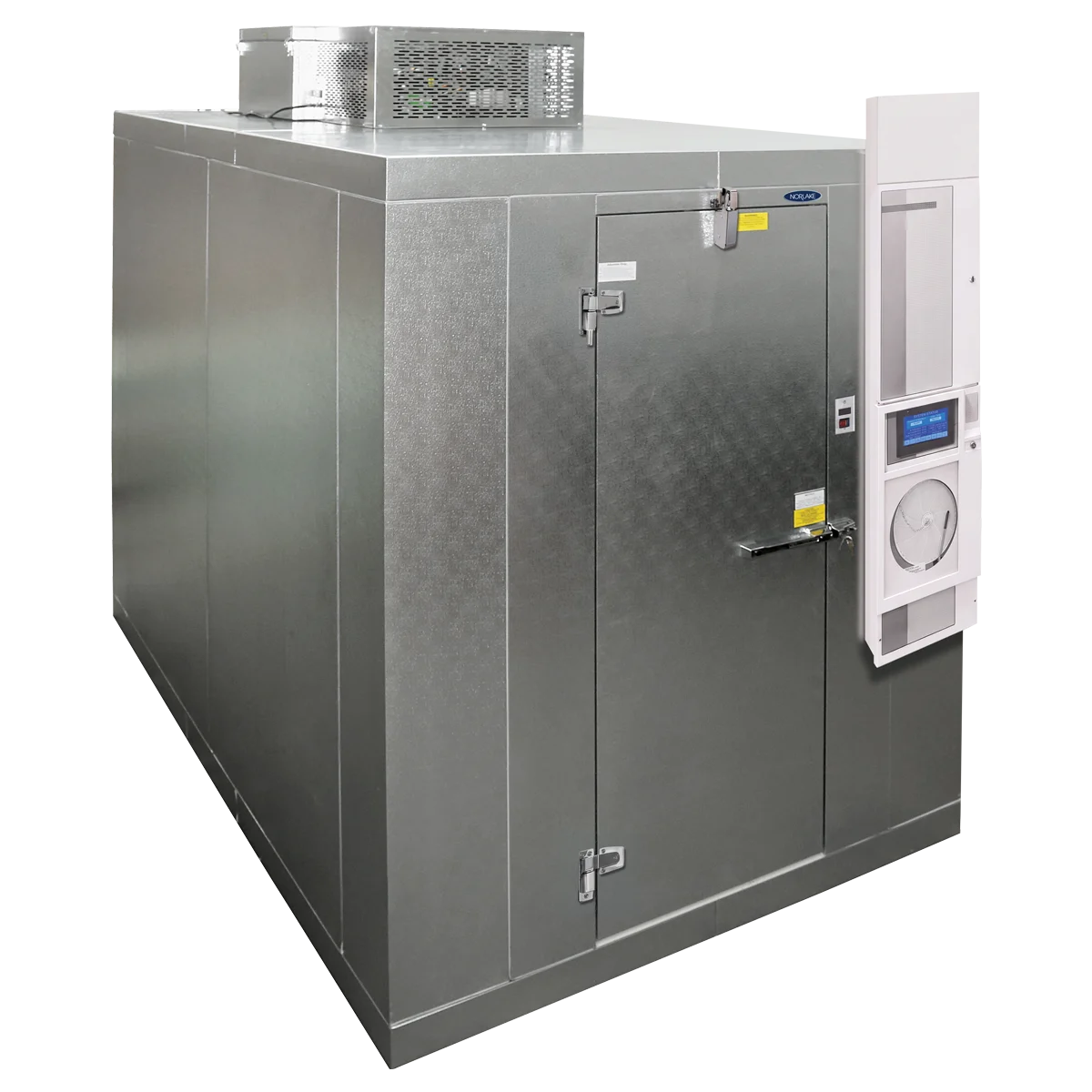
Start with approved conservation conditions
Archival and museum cold storage should begin with targets approved by the institution’s conservation team. Norlake Scientific should not invent a temperature or humidity target for a collection.
Different materials, conditions, storage lives, access patterns, and institutional policies can lead to different requirements. Record the approval source before room configuration.
Conservation-to-room worksheet
| Input | Institution or project record |
|---|---|
| Material group and condition | ______________________________ |
| Approved temperature and humidity conditions | Target, range, and approval source: __________________ |
| Compatible and incompatible groups | ______________________________ |
| Zoning decision | Shared room, separated zone, or separate room: __________________ |
| Expected storage life and future accessions | ______________________________ |
| Shelving, floor load, and aisle needs | ______________________________ |
| Retrieval frequency and cart path | ______________________________ |
| Staging and acclimatization decision | Procedure owner and source: __________________ |
| Monitoring and alarm responsibility | Sensor plan, response team, and escalation: __________________ |
| Alternate storage or transfer plan | ______________________________ |
| Facility and service inputs | Utilities, access, equipment space, and clearances: __________________ |
| Open questions for review | ______________________________ |
The worksheet records institutional decisions. It does not provide conservation advice or establish a default target.
Plan retrieval, staging, and acclimatization
Document how material moves between storage and use:
- who retrieves and handles it
- where staging occurs
- how packaging and condensation checks are managed
- whether acclimatization is required by the institution’s procedure
- how long handling and staging can take
- how material returns to storage
The National Park Service Museum Handbook discusses planning considerations for specialized cold-stored objects. Apply external guidance through the institution’s conservation process, not as a universal Norlake Scientific requirement.
Plan the room and continuity around the collection
Record shelving, floor and cart loads, aisle widths, security, future capacity, doors, equipment location, service access, alarm response, and transfer priorities. Monitoring, chart recording, remote access, and alarm packages are selected around the institution’s procedures and project scope. They are not inherent to every room.
Handoff to Norlake Scientific
Start with collection-storage room planning. Review environmental rooms after approved conditions, room geometry, access, and facility inputs are defined. Request a quote when the conservation-to-room worksheet is ready for project review.
Norlake Scientific product capabilities, options, and project applicability are confirmed during engineering review. This page does not imply conservation targets, collection outcomes, compliance, or validation.